RescueLink for Offshore Wind – Safety in Emergencies
The German North and Baltic Seas are an important location for the generation of renewable energy through offshore wind farms. To protect personnel in these harsh environments, reliable emergency telemedicine coverage is paramount. RescueLink, our state-of-the-art telemedicine solution, meets all regulatory requirements and provides a fast and effective response to medical emergencies.
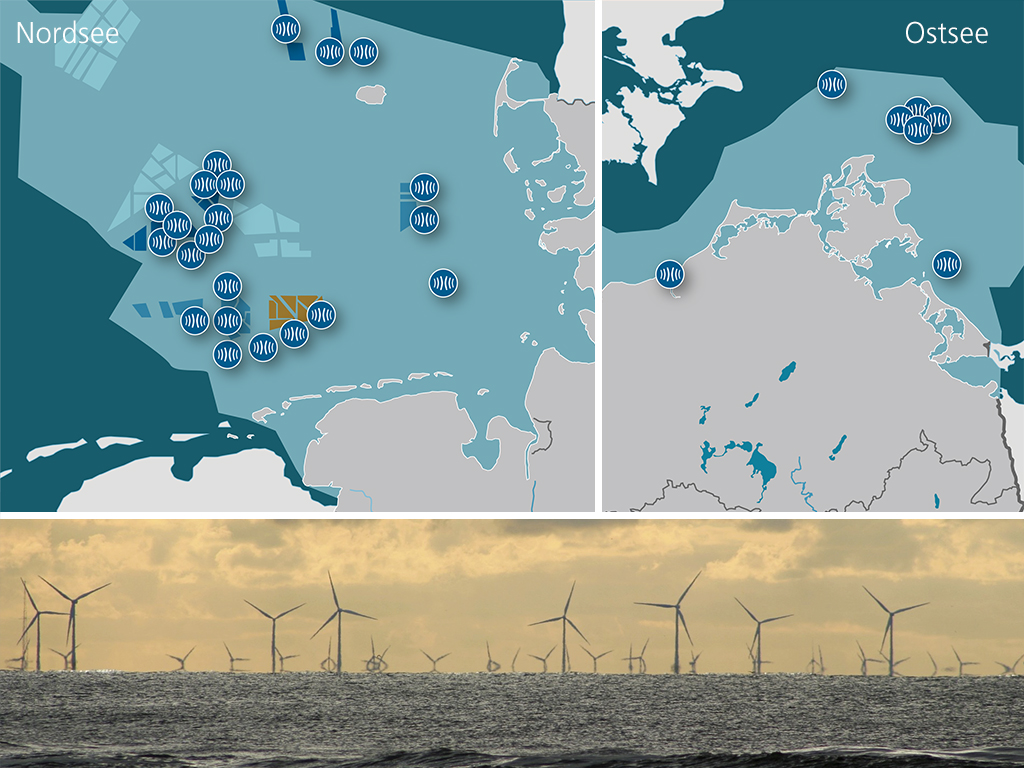
In the German Exclusive Economic Zone (EEZ), RescueLink has been in use for the offshore wind industry since 2015, with more than 500 remote treatments and thousands of exercises and functional tests conducted. The adjacent image shows the area of operation of RescueLink.
Conditions are difficult
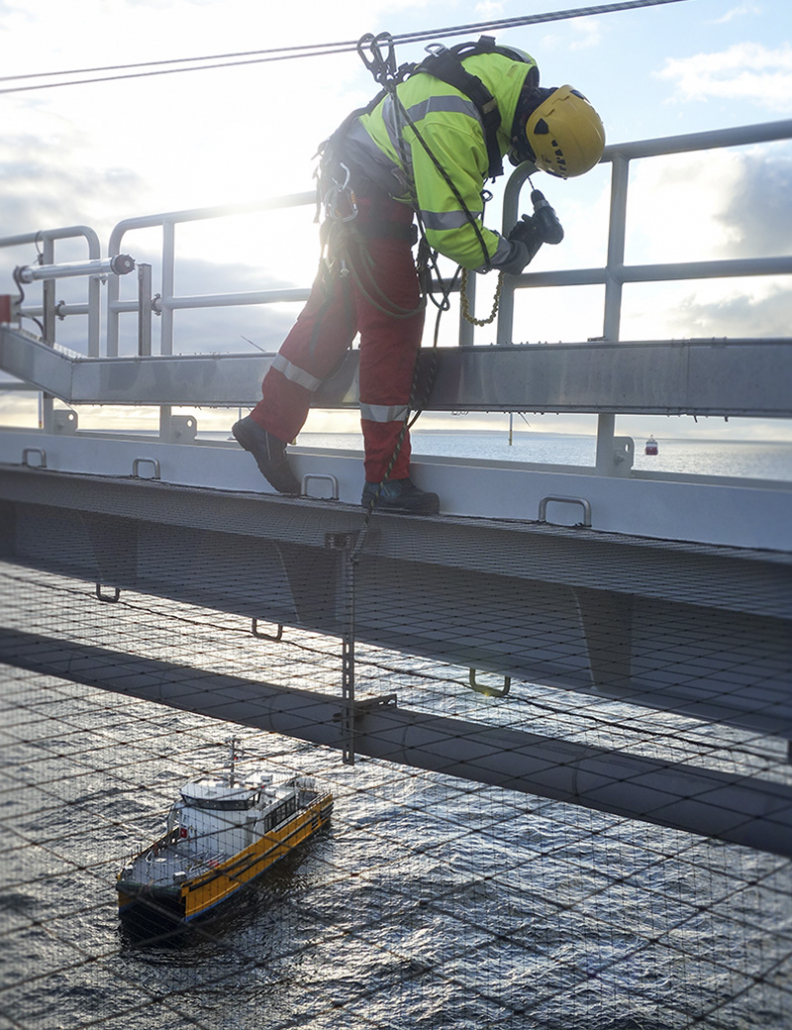
The German offshore wind industry is a high-tech industry, but it is also associated with tough working conditions. Workers at offshore wind farms often have to work in extreme weather conditions, such as strong winds, high waves and poor visibility. This makes rescue in the event of an emergency much more difficult.
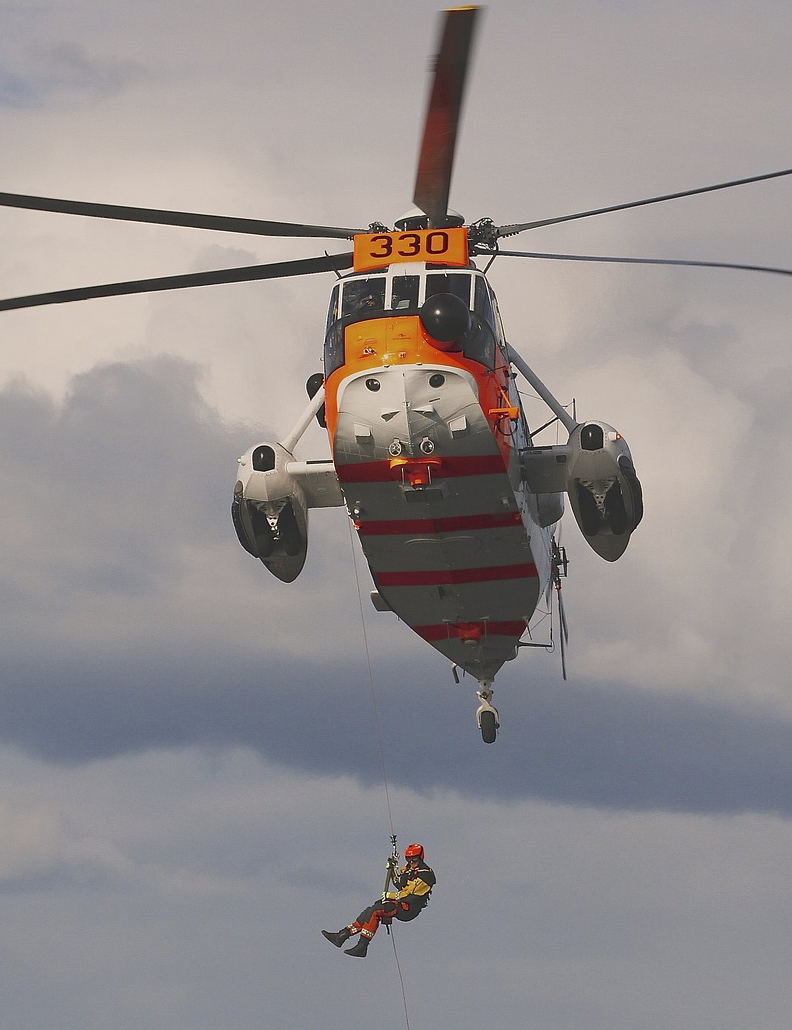
In the event of a medical emergency on an offshore wind farm, fast and safe rescue is critical. Unfortunately, rescue by rescue helicopters and sea rescue cruisers is often limited due to difficult weather conditions and distance from the mainland. Also, the deployment time of rescue resources is often affected by weather conditions and may be delayed or prove impossible.
Regulatory requirements
The DGUV (German Social Accident Insurance) already pointed out in 2016 that working in the offshore wind industry entails certain risks and provided recommendations for assessing the risks and implementing protective measures in an information document (number 2016-041). This paper recommended the implementation of telemedicine in the event of a medical emergency in almost all of the operational scenarios considered. This recommendation was reemphasized in 2021 Information Memorandum 202-041.
The “Concept for the immediate rescue and medical care of employees in the offshore wind industry” of the state occupational health and safety authorities of Schleswig-Holstein and Lower Saxony further concretizes these requirements and exclusively uses the term “telemedicine” instead of “teleconsultation”, which is understood as an increase in quality compared to pure consultation.
Technical requirements
The provider must meet the following requirements, among others:
- Telemedicine after no more than 3 minutes with first responder offshore
- bidirectional audio-video communication and text chat
- Acquisition and transmission of: 12-lead ECG with heart rate, oxygen saturation, pulse and plethysmogram, non-invasive blood pressure, temperature.
- Capture and transmit high-resolution still images with low delay.
- The delay caused by the telemedicine technology should not exceed 2 seconds.
RescueLink for the Offshore Wind Industry
GHC offers standard systems that fully meet the above requirements for telediagnostics. Requirements going beyond this, e.g. for therapy purposes involving an emergency paramedic, are made possible by adding further functions to the medical technology:
- Invasive blood pressure measurement
- Capnography (CO2)
- CPR-Feedback
- AED
- Manual defibrillator (sync/async)
- Transcutaneous pacemaker
- Metronome
The configuration of the computer hardware allows semi-mobile or fully mobile operation of the system (see below). Furthermore, RescueLink can be used with the “TeleVisite” function for broad application in the overall wind farm.
Semi-mobile use
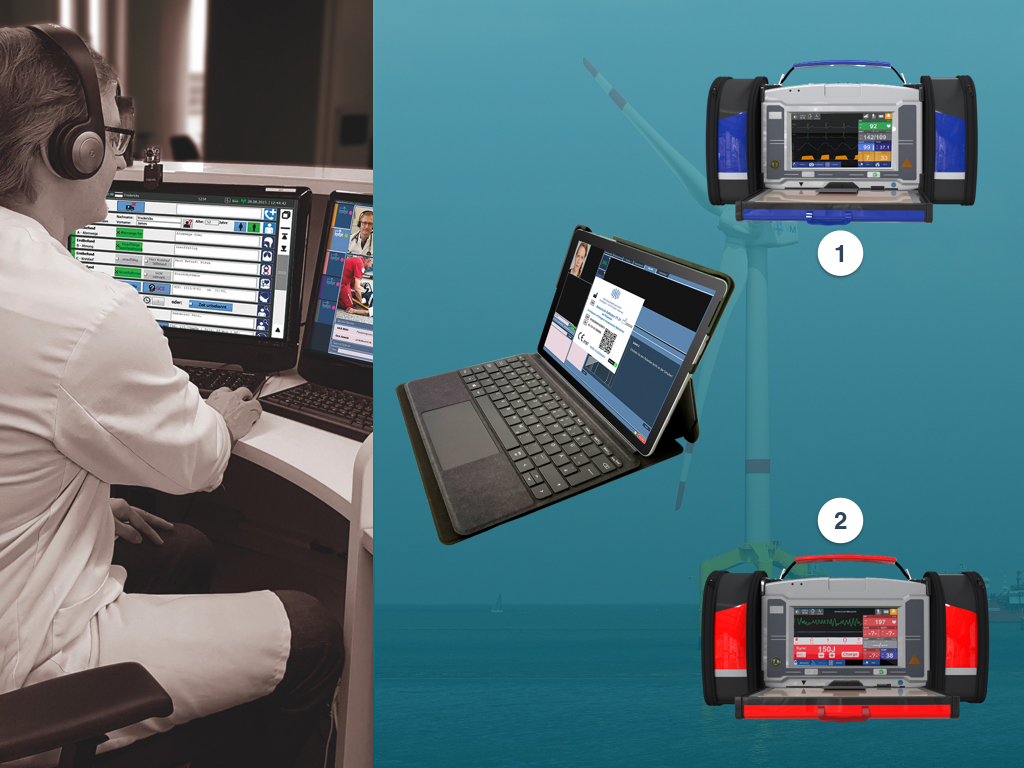
The adjacent image shows an example of a RescueLink system for semi-mobile use (1) and a RescueLink system for extended use (2).
(1) RescueLink on Surface Go 3 with Schiller PhysioGard
(2) RescueLink on Surface Go 3 with Schiller DefiGard
Full mobile use
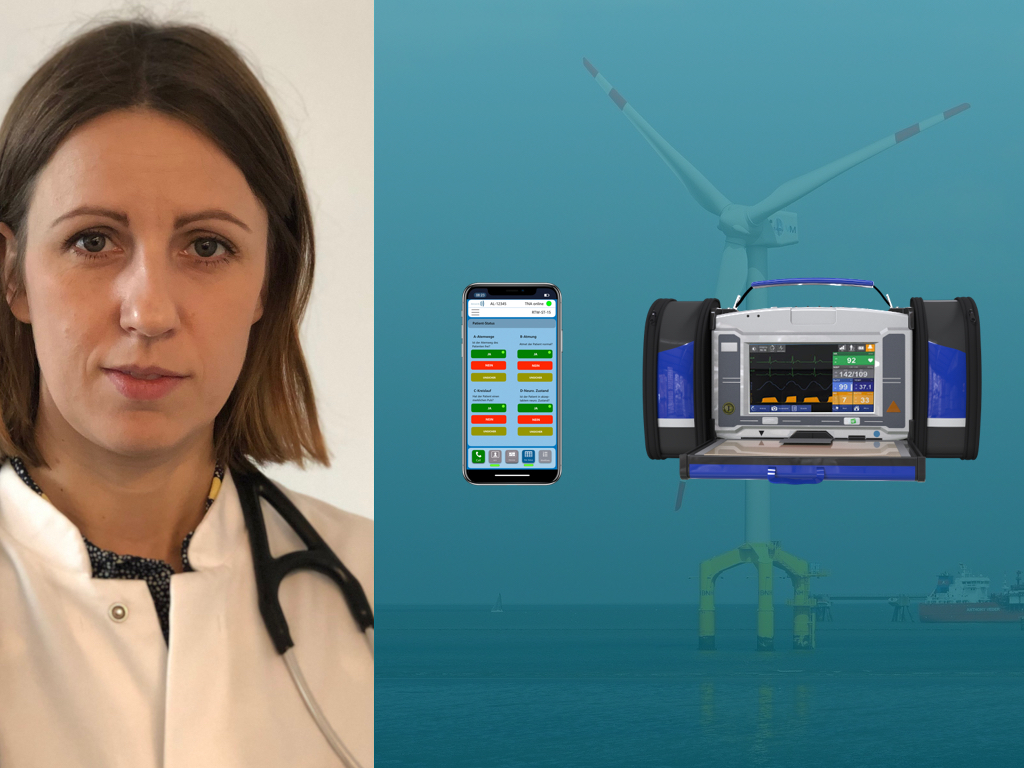
In fully mobile use, the tablet is replaced by a smartphone. The RescueLink smartphone provides the key RescueLink functions for semi-mobile use. It connects to the medical device, captures their data and transmits it to the tele-physician.
Fast and competent help
In an emergency, the tele-doctor of GHC partner Unfallkrankenhaus Berlin will help. The emergency call is usually answered immediately, at the latest in 2 minutes. The time limit of 3 minutes specified by the labor authorities can thus be met in any case.
What is required?
Telemedicine is not possible without data transmission. This applies in particular to the offshore wind sector, where sufficient data transmission is often not available RescueLink provides a solution to this problem by allowing the required network quality to be reduced. For example, a bandwidth of 786 Kbit/s can be used for the entire duration of the telemedicine session with audio/video and vital data. GHC has developed a measurement procedure that can be provided to the customer, if required, to prove the quality of the data transmission. RescueLink enables safe and effective telemedicine even in environments with challenging network conditions.
RescueLink Operations in the North Sea and Baltic Sea
In practice, RescueLink has proven to be an invaluable tool for the remote treatment of medical emergencies in the offshore wind sector. As our references demonstrate, RescueLink is widely used throughout the offshore wind industry. Below, we present several successful RescueLink deployments across different application scenarios:
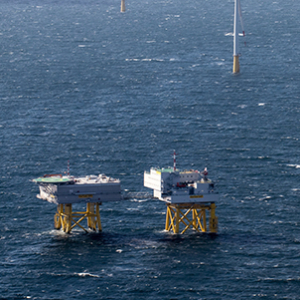
- TenneT converter platforms in the North Sea
- Vattenfall’s offshore plants and wind farms in the North Sea
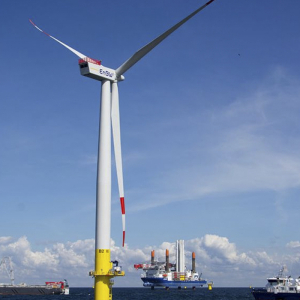
- Service Operation Vessels (SOV) in use for EnBW wind farms in the Baltic Sea and North Sea
These examples illustrate how crucial RescueLink is for the safe and efficient operation of offshore wind farms and platforms. We are proud that our solution is so widely used in the industry, helping to protect employees and maintain a reliable power supply.
On many offshore wind farms and SOVs, we provide our telemedical RescueLink service as part of a successful collaboration with Offms Offshore & Medical Services GmbH.

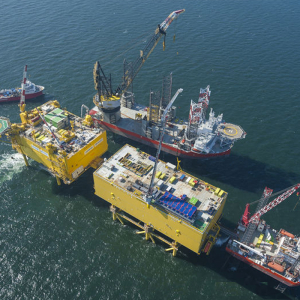
TenneT converter platforms
TenneT is a leading European grid operator. TenneT was one of GHC’s first customers.