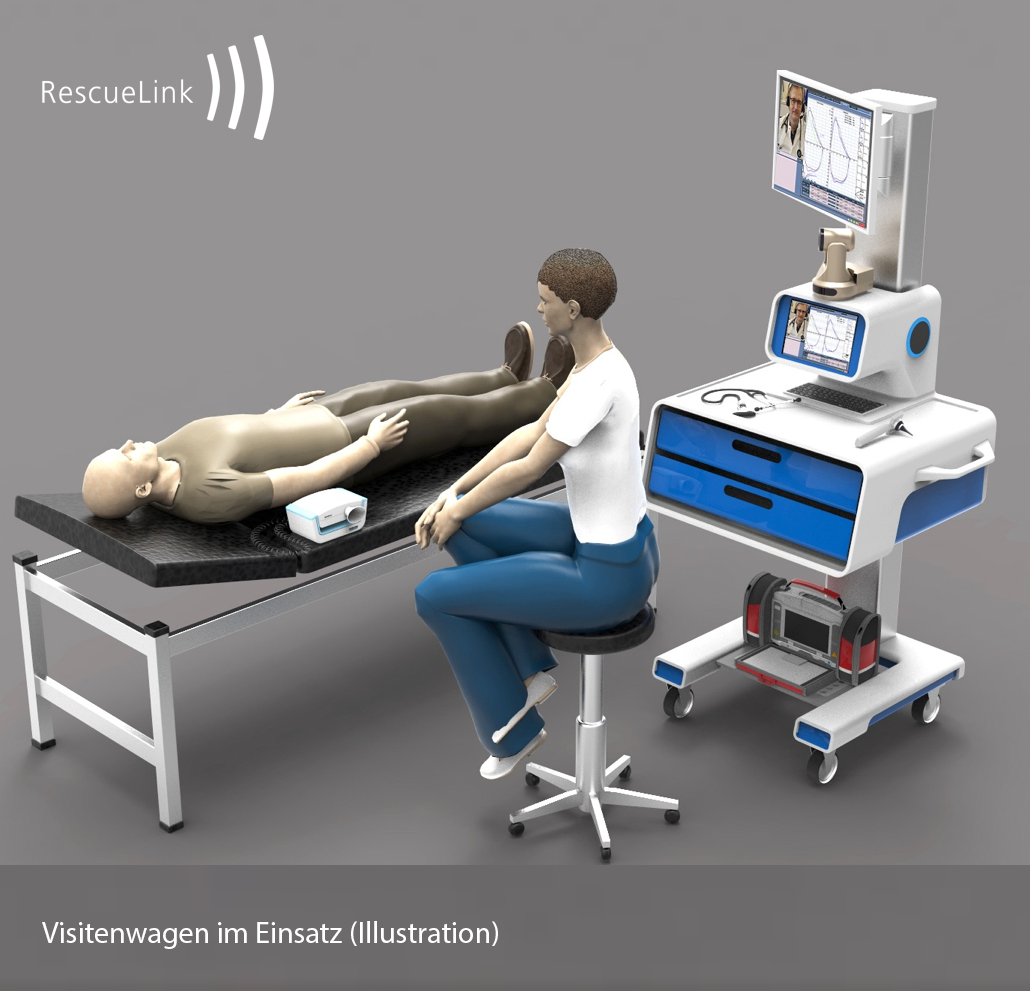
General Medicine in Primary Care Telemedicine
How does the general practitioner work?
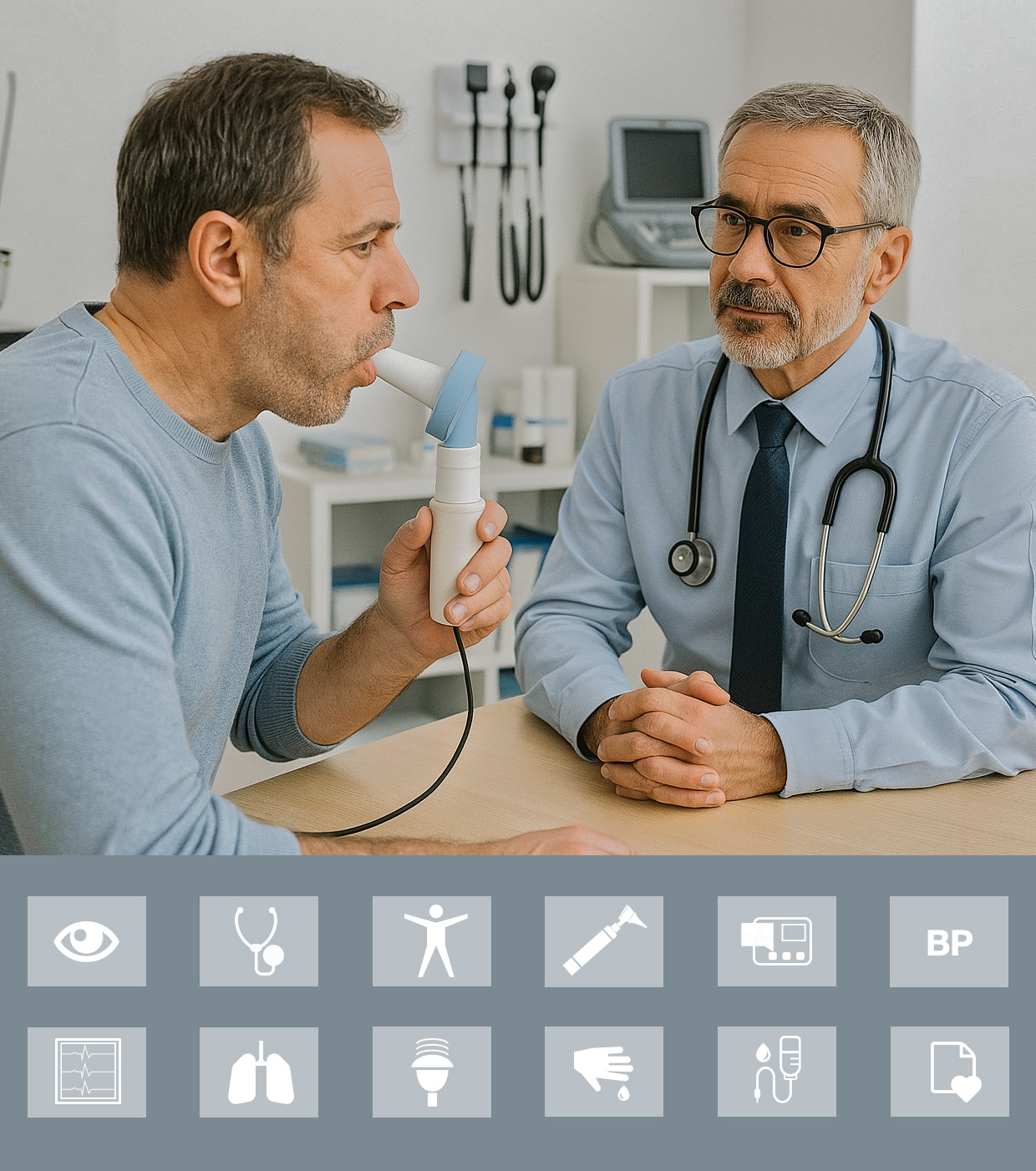
The examinations performed by a general practitioner
- Medical History & Patient Consultation
Assess symptoms, discuss medical history and disease progression, review the medication plan, and clarify potential risks.
- Physical Examination
Inspection (observing), palpation (touching), auscultation (listening, e.g., to heart and lungs), percussion (tapping), basic neurological assessment, and examination of wounds or skin changes.
- Vital Signs & Basic Diagnostics
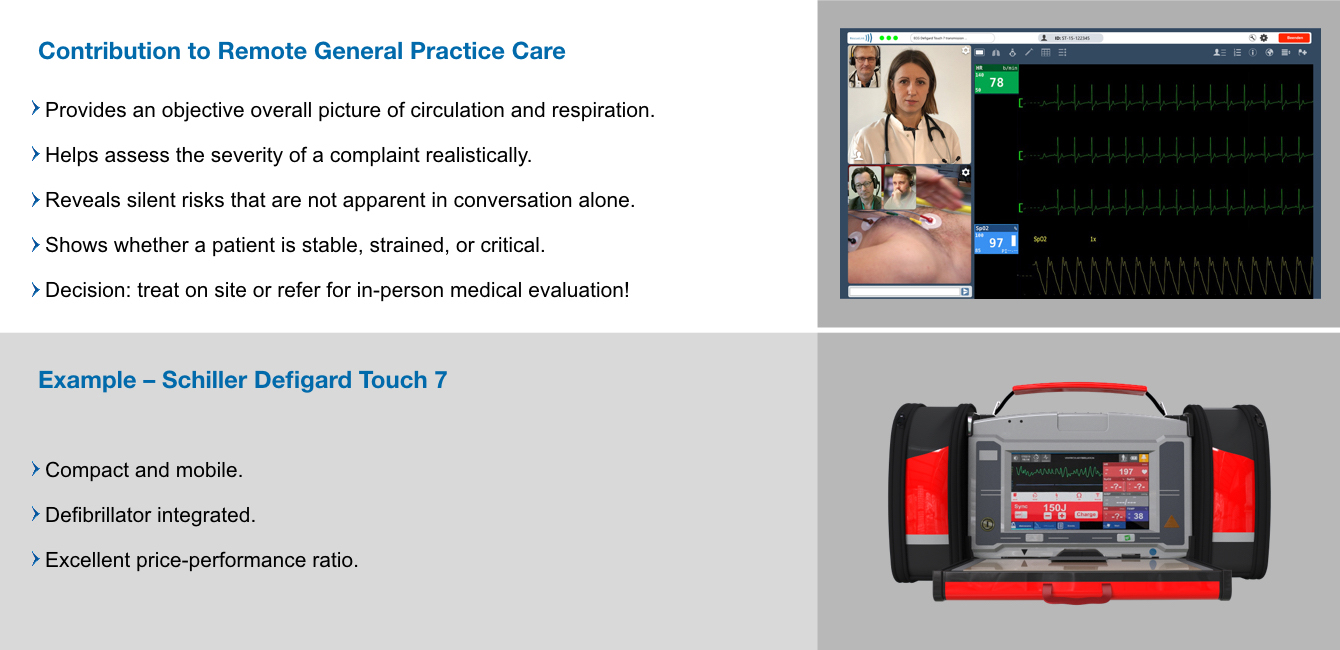
Measuring blood pressure, pulse and rhythm, oxygen saturation, body temperature, respiratory rate, performing an ECG, and, if necessary, measuring blood glucose.
- Assessment & Decision-Making
Assessing urgency, determining whether the patient can be treated on an outpatient basis or requires referral/admission, planning follow-up, and initiating or adjusting therapy.
- Documentation
Recording findings, documenting instructions for nursing staff or the patient, and adding follow-up information.
Medical Devices Beyond the Basic Equipment
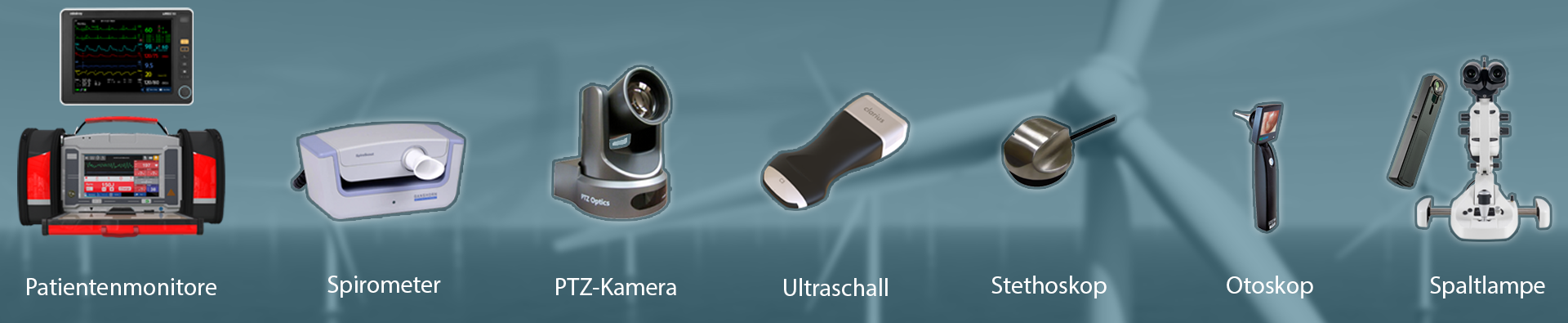
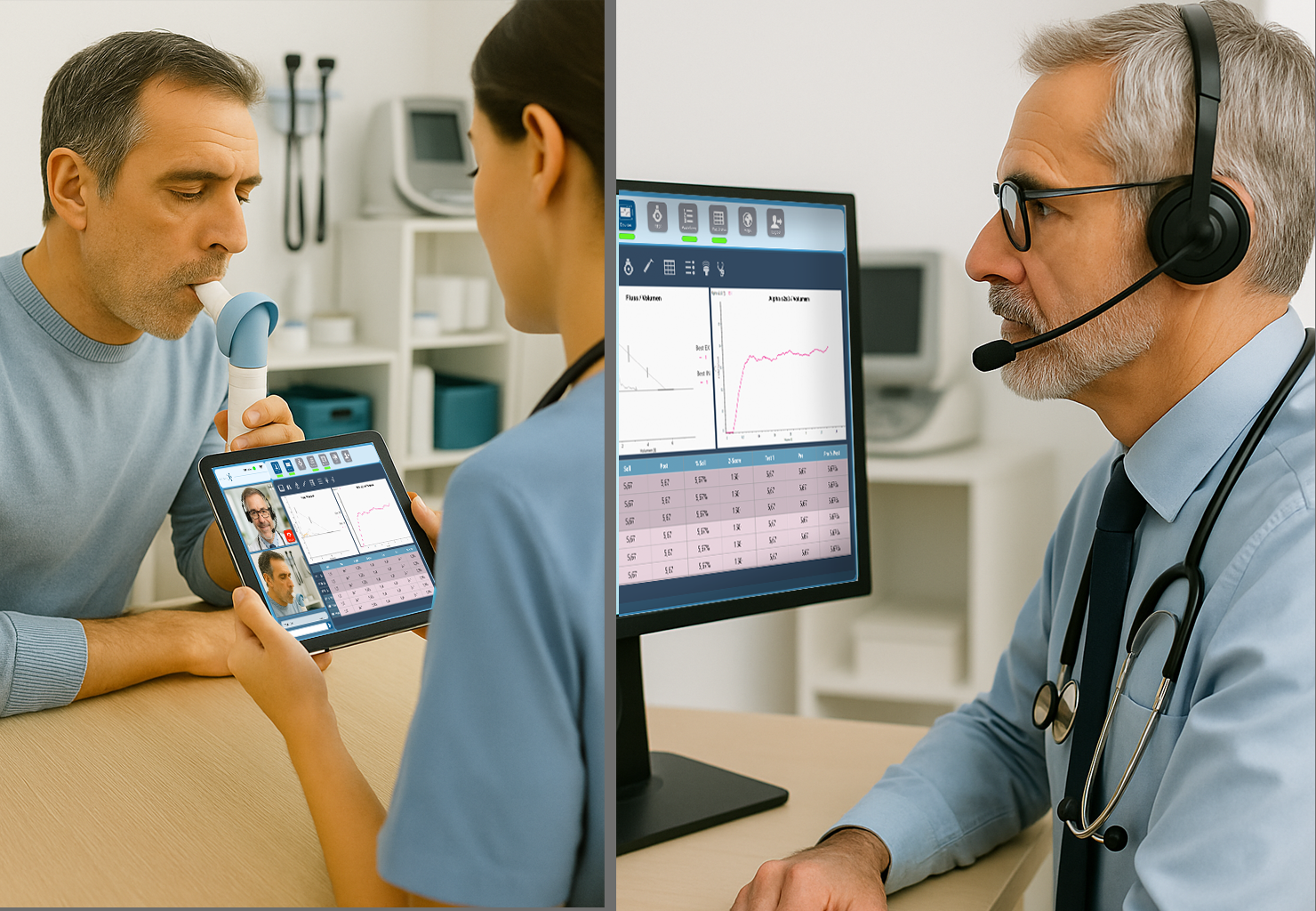
In addition to commonly known devices such as blood pressure monitors, pulse oximeters, or ECGs, primary care also uses other diagnostic instruments that are less frequently mentioned in the context of telemedicine. Some examples include:
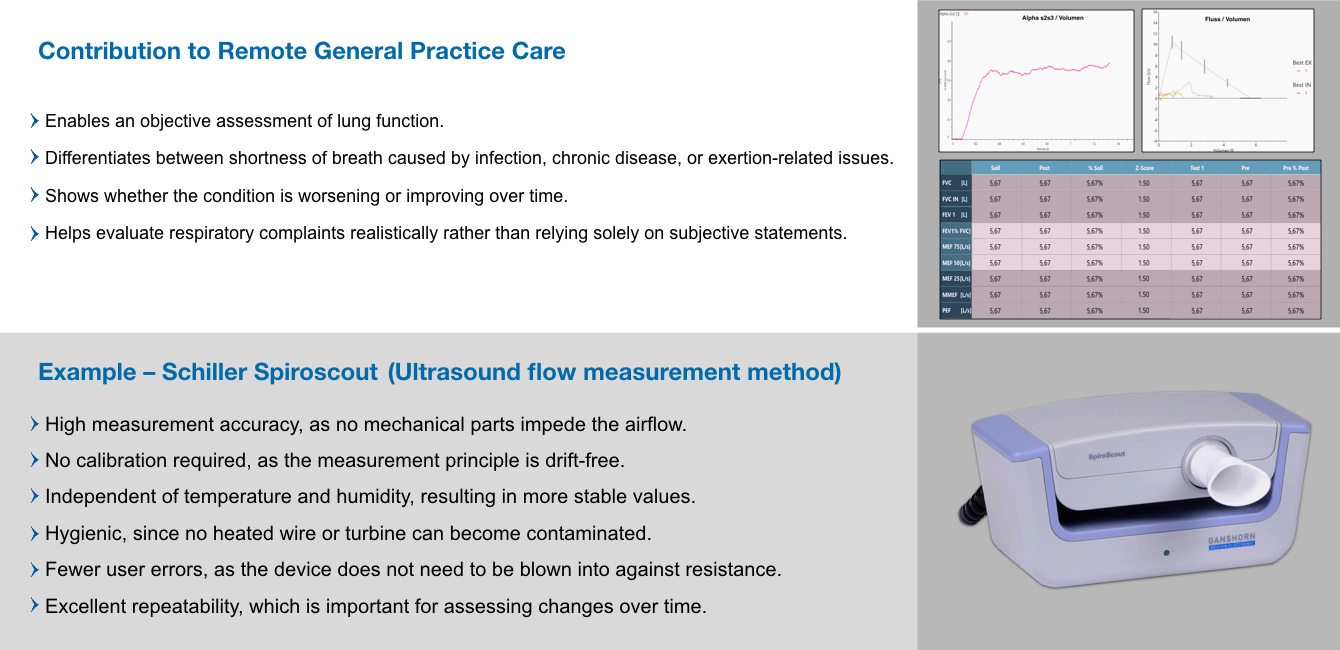
- Spirometer for pulmonary function testing to assess lung function, for example in respiratory diseases or exercise-related breathing problems.
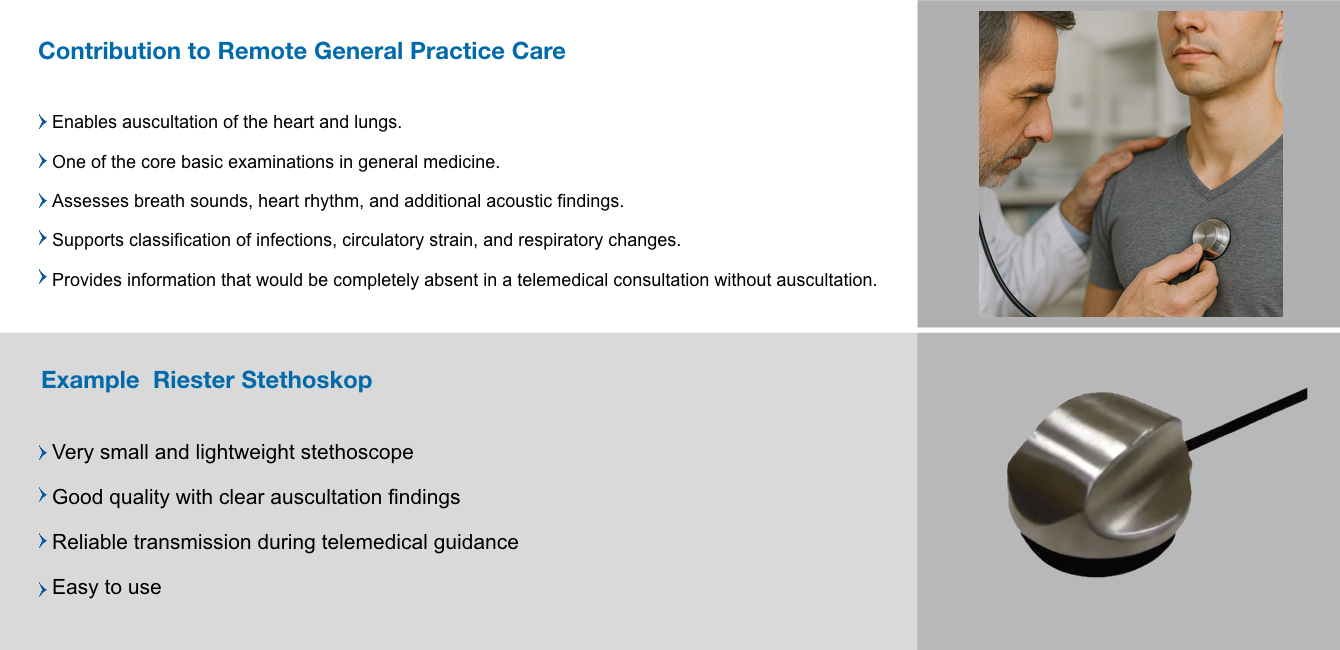
- Electronic stethoscope for transmitting heart and lung sounds to enable remote (telemedical) auscultation.
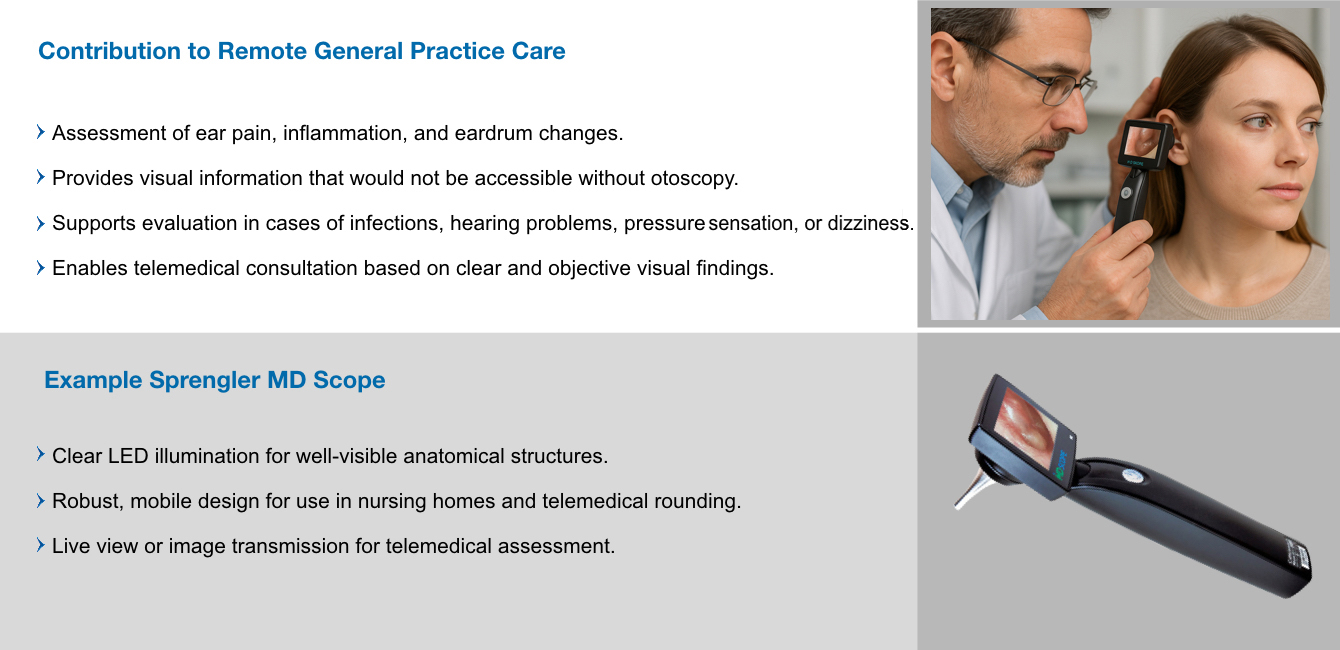
- Otoscope for examining the ear canal and eardrum, particularly in cases of pain, infections, or hearing problems.
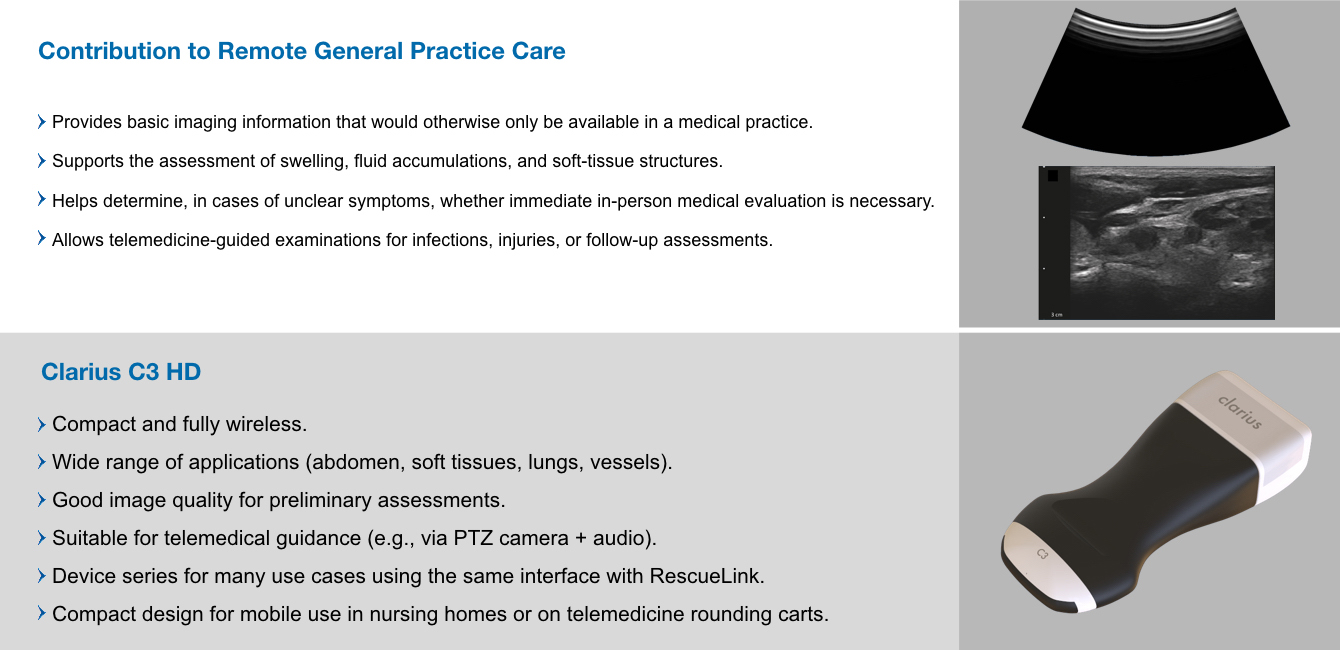
- Handheld ultrasound device for basic point-of-care assessments, for example of soft tissues, fluid accumulations, or vascular structures.